Terrace & Roof Waterproofing
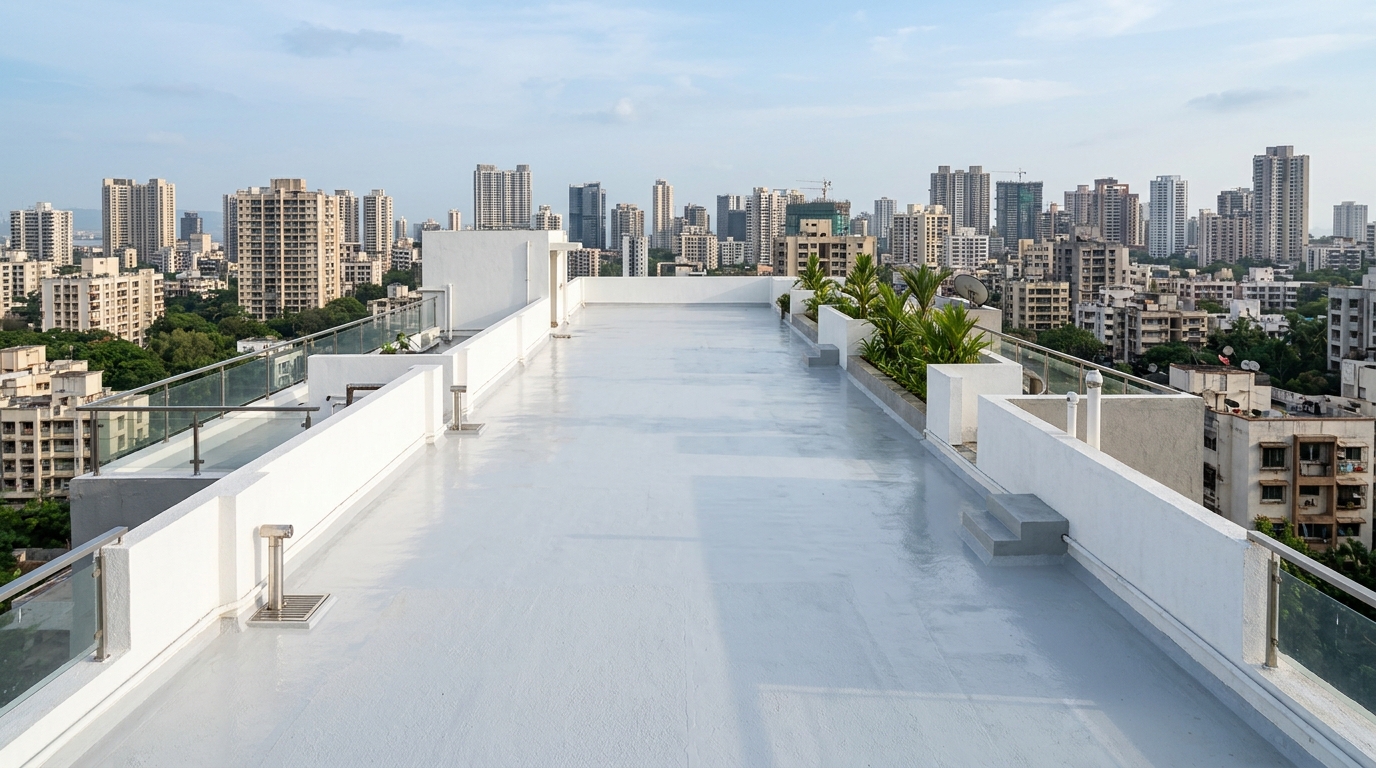
Durable protection against rainwater pooling, cracks, and ceiling dampness across flat and sloped roofs.
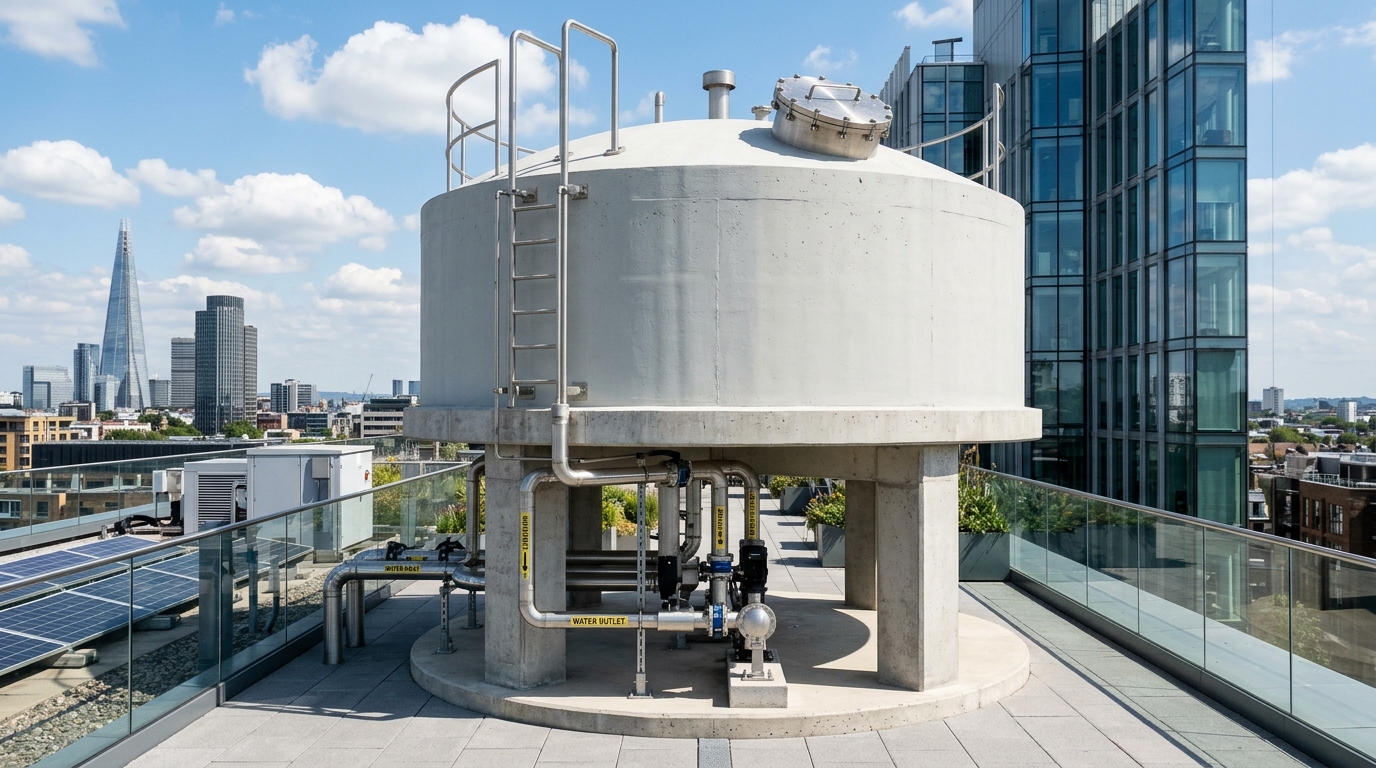
Protect your potable water supply from contamination and structural leaks. Inquire for food-grade water tank waterproofing contractors.
Get in touch with an independent specialist near you.
Notice: WaterproofingConnect is an independent referral and lead-generation platform. We connect property owners with independent local contractors. Technical inspections, quotations, material selection, workmanship, and warranties are the sole responsibility of the contractor.
Concrete underground sumps and overhead RCC water tanks are critical lifelines in Gujarat homes and buildings. A leaking tank either wastes precious municipal water or, worse, allows contaminated groundwater and soil bacteria to seep inside through negative hydrostatic pressure.
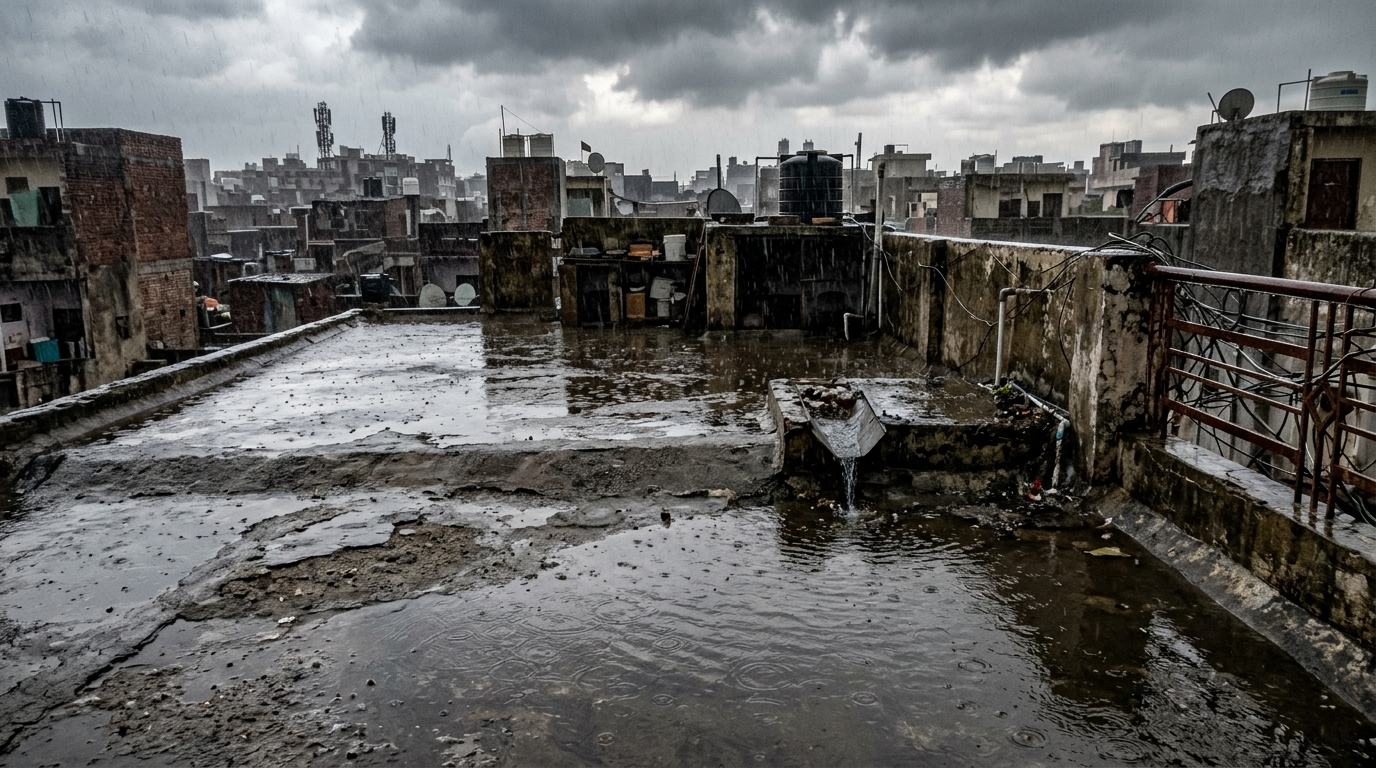
Important: Moisture frequently enters meters away from where it drips. A systematic on-site inspection is required to determine the exact ingress point.
Depending on the age of the structure, surface condition, and water pressure, an independent contractor may recommend:
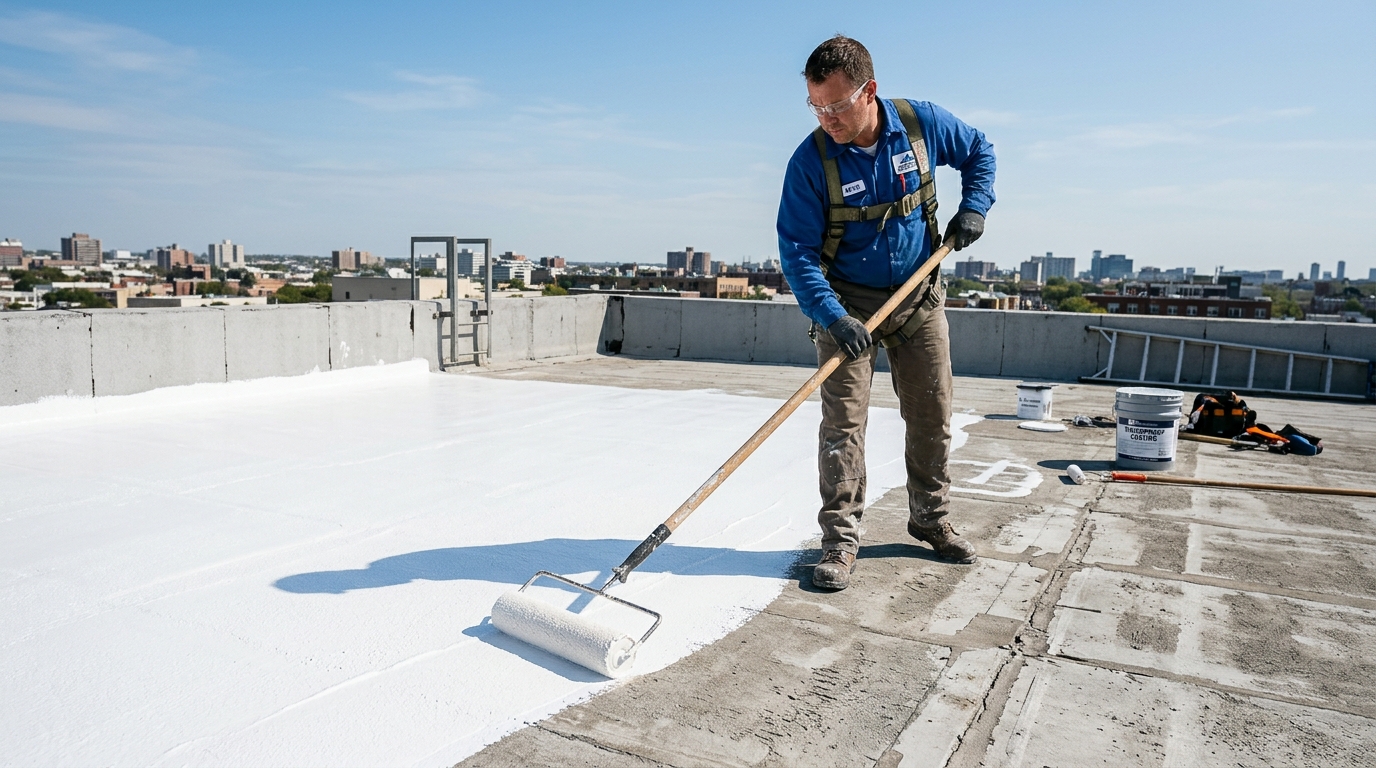
Professional contractors typically avoid giving blind phone estimates because accurate pricing depends on:
Protect your property investment by clarifying these practical details directly with any contractor who inspects your site:

Water tank waterproofing requires strict safety standards because the treated concrete will be in direct continuous contact with drinking water used by families or building residents. Under no circumstances should ordinary industrial bitumen coatings or toxic solvent-based chemicals ever be applied inside a potable water reservoir.
Qualified water tank waterproofing specialists follow stringent health and engineering protocols:
Practical answers to common waterproofing doubts, contractor evaluation, and our referral process.
WaterproofingConnect is an independent lead-generation and referral platform. When you submit your leakage details and location, we forward your enquiry to suitable, independent waterproofing service providers in Gujarat who can contact you directly to arrange an inspection and provide a quotation. There is zero obligation to accept any contractor’s offer.
Yes, submitting an enquiry through our platform is 100% free for homeowners, society committees, and factory managers. We do not charge customers any fee for connecting them with local service providers.
No. WaterproofingConnect is an independent referral platform, not a waterproofing contractor. The actual on-site technical inspection, material recommendation, labor, quotation, workmanship, and written warranty are provided directly and solely by the independent contractor you choose to hire.
In many cases, yes. If the existing China mosaic layer is structurally sound and well bonded to the slab, contractors can deep-clean the joints, apply specialized polymer crack fillers, and install high-grade transparent or reflective elastomeric coatings over the tiles. However, if water has caused large-scale debonding or hollow sounds underneath the tiles, localized removal may be necessary.
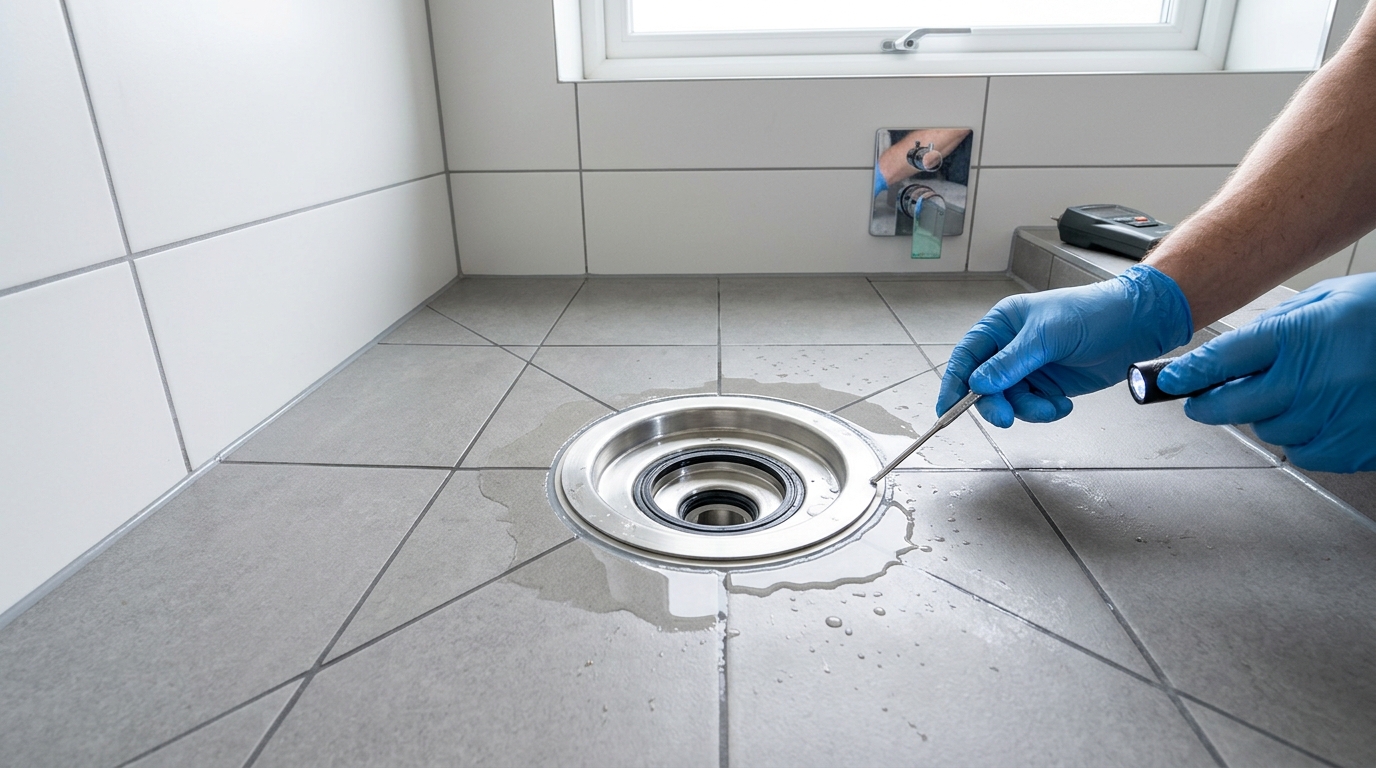
Yes, if the seepage is caused by deteriorated tile joints, micro-gaps around the drain trap collar, or minor plumbing joint looseness, modern no-demolition chemical treatments can often succeed. Contractors use waterproof epoxy grouting, crystalline penetrants, and PU injection grouting into the sunken slab. If a concealed water supply pipe is fractured, plumbing pressure testing will identify the exact spot to minimize tile damage.
Costs typically depend on: 1) Total surface area (sq. ft.), 2) Type of surface (RCC slab, China mosaic, GI sheet, brick wall), 3) Extent of surface preparation needed (grinding, plaster removal, crack routing), 4) Material quality chosen (acrylic vs polyurethane vs crystalline vs polyurea), and 5) Accessibility (ground floor vs multi-story exterior facade requiring scaffolding).
Always ask: 1) What specific brand and chemical formulation will you apply? 2) How many coats will you apply and what is the drying interval? 3) How will you treat cracks and corner junctions (coving)? 4) Do you conduct a ponding water test for 48 hours upon completion? 5) What does your written warranty cover (labor, materials, or both)?
Comprehensive protection for homes, residential societies, and industrial facilities across Gujarat.
Durable protection against rainwater pooling, cracks, and ceiling dampness across flat and sloped roofs.
No-break tile waterproofing, concealed pipe inspection, and grouting for wet areas and toilets.
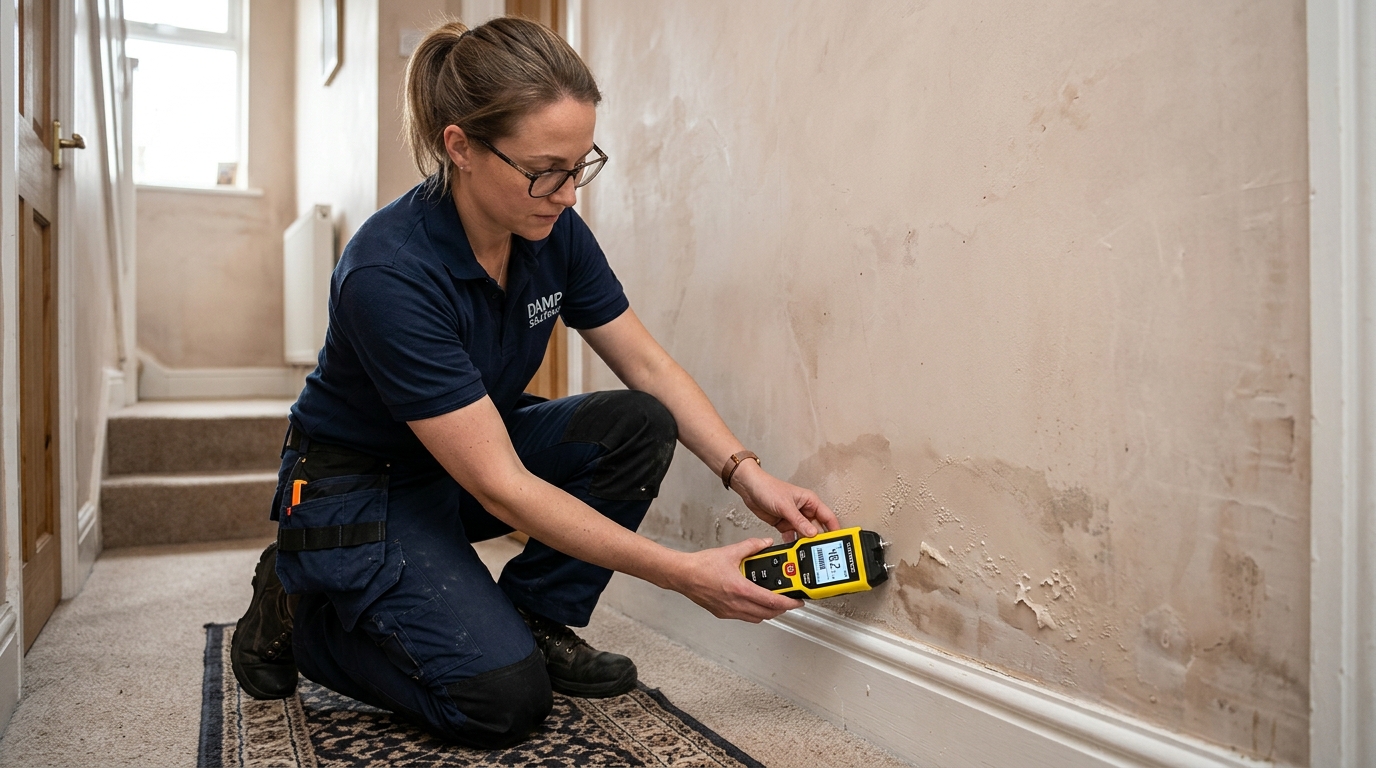
Effective treatment for rising dampness, efflorescence, paint peeling, and exterior wall cracks.